An itchy scalp is one of those things that's easy to dismiss — until it's not. If you're constantly reaching up to scratch mid-conversation, mid-meeting, or mid-wash day, your scalp is trying to tell you something. And it's worth listening.
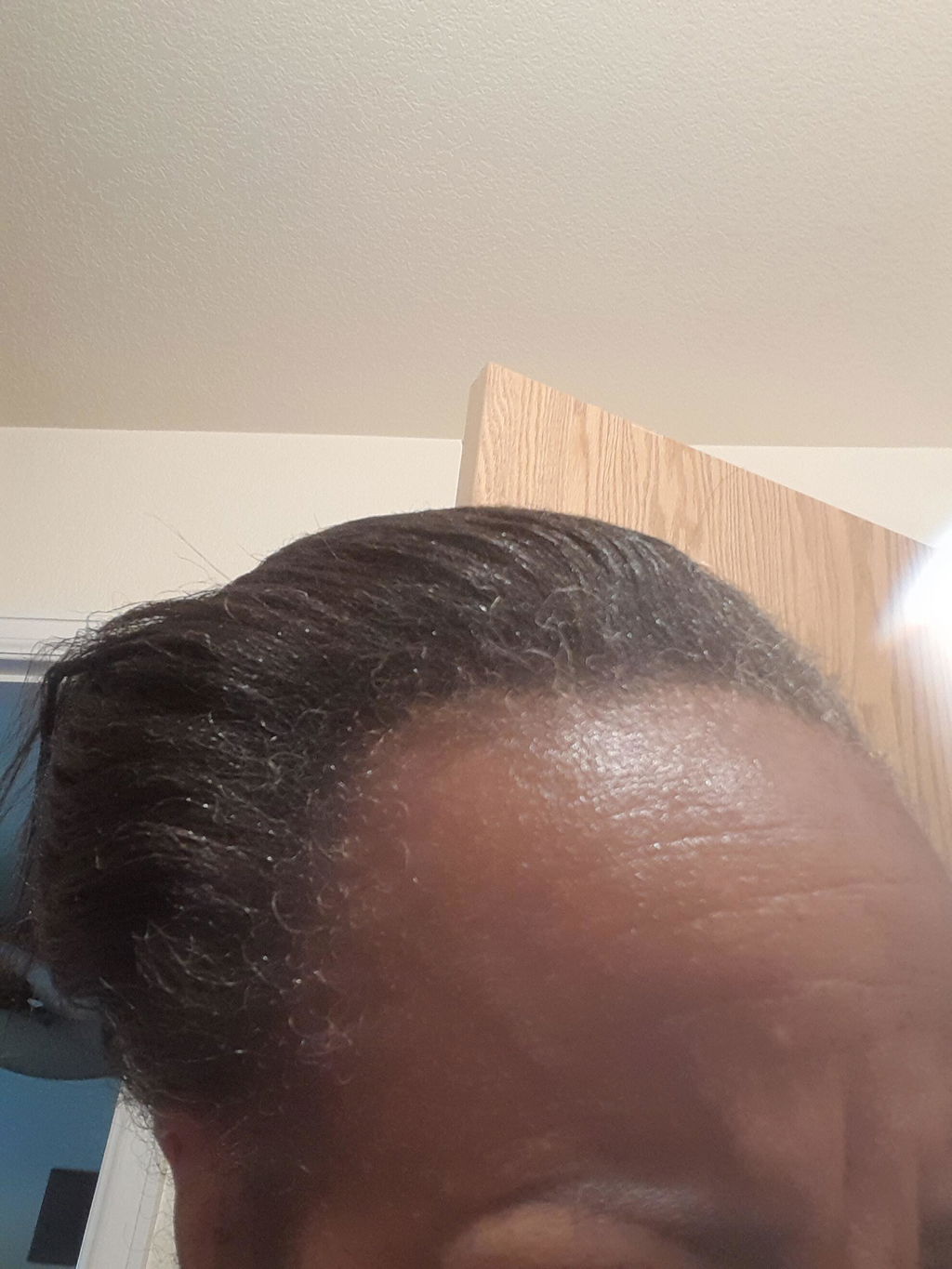
Scalp health is the foundation of healthy hair growth. When something is off up there — whether it's buildup, dryness, an imbalanced microbiome, or product sensitivity — your scalp reacts. That reaction often shows up as itching, flaking, tenderness, or even hair thinning over time.
The good news? Most causes of scalp itch are very manageable once you know what you're dealing with. Let's break down the four most common culprits — and what you can do to get real, lasting relief.
1. Product Buildup
If you use leave-ins, oils, gels, butters, or dry shampoo between wash days, product buildup is one of the first places to look when your scalp starts itching. Over time, layers of product residue — especially silicone-based or petroleum-based ingredients — can accumulate on the scalp and block hair follicles. This creates an environment where your scalp can't breathe, sebum gets trapped, and irritation sets in.
Hard water is another hidden contributor. Mineral deposits from tap water can bond to the scalp surface and make buildup worse over time, even when you're washing consistently.
"A clean scalp isn't just about hygiene — it's about creating the right conditions for your hair to actually grow."
What to do: Incorporate a clarifying or scalp-focused shampoo into your wash day routine at least once or twice a month. Look for formulas with gentle surfactants that lift buildup without stripping your scalp's natural oils. Follow up with a nourishing conditioner on your lengths and ends to keep the rest of your hair balanced.
2. Dry Scalp
Dry scalp and dandruff are not the same thing — but they're commonly confused. A dry scalp is exactly what it sounds like: your scalp isn't producing enough moisture or sebum to stay comfortable. This can be triggered by cold or dry weather, over-washing with harsh sulfate shampoos, not moisturizing the scalp after wash day, or simply having naturally dry skin.
When the scalp is dry, the skin becomes tight, flaky (small, white flakes that fall easily), and itchy. Unlike dandruff, dry scalp usually responds really well to moisture — adding hydration and sealing it in is often all it takes.
Small, fine white flakes. Tight or itchy feeling that gets worse in cold weather or after washing.
Larger, oily-looking flakes. Scalp may appear slightly red or irritated. Often gets worse in oily conditions.
What to do: Use a sulfate-free, moisturizing shampoo and follow up with a lightweight scalp oil or serum to replenish moisture after washing. Ingredients like peppermint oil, tea tree, and aloe vera are excellent for soothing a dry, uncomfortable scalp while keeping things naturally balanced.
3. An Imbalanced Scalp Microbiome (a.k.a. Dandruff)
Your scalp has its own microbiome — a community of bacteria and fungi that live in healthy balance. When that balance is disrupted, a naturally occurring fungus called Malassezia can overgrow. This is what causes seborrheic dermatitis, commonly known as dandruff. The result: inflammation, itching, and those telltale larger, oily flakes.
Stress, diet, hormonal changes, and even the products you use can all shift your scalp's microbial balance. People with oilier scalps or who live in humid climates tend to be more prone to this kind of imbalance.
What to do: Look for naturally antifungal ingredients in your hair care routine — tea tree oil, rosemary, neem, and apple cider vinegar are all known to help bring the scalp back into balance. Regular scalp massages also stimulate circulation and help prevent sebum from sitting stagnant on the scalp. For persistent or severe dandruff, it's worth consulting a dermatologist to rule out seborrheic dermatitis or psoriasis.
4. Product Sensitivity or Ingredient Reactions
Sometimes your scalp isn't reacting to a condition — it's reacting to something in your products. Synthetic fragrances, sulfates, parabens, formaldehyde releasers, and certain preservatives are common irritants that can trigger itching, redness, and sensitivity, especially if you have a naturally sensitive scalp or skin.
This kind of reaction can sneak up on you — you might use a product for months before the irritation kicks in, because sensitivities can develop over time with repeated exposure.
"If your scalp only started itching after introducing a new product, the ingredient list is the first place to look."
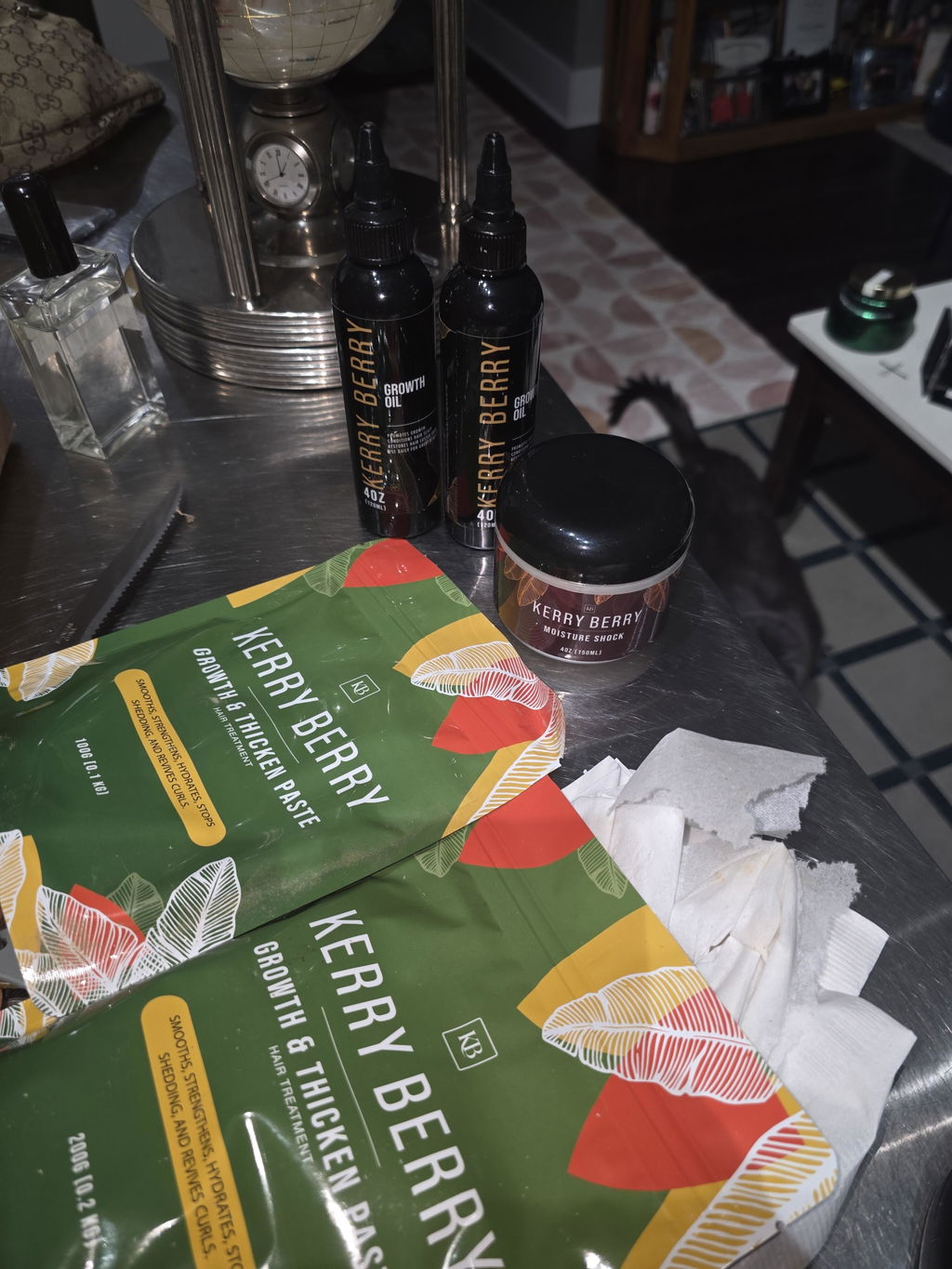
What to do: Do a simple elimination test — stop using all new products and reintroduce them one at a time every 1–2 weeks while monitoring your scalp. Transition to clean, plant-based formulas free of synthetic fragrance and harsh chemicals. Vegan and handmade hair care products (like everything in the Kerry Berry line) are formulated without the common culprits, making them a gentler option for sensitive scalps.
Your Scalp Reset Checklist
Not sure where to start? Use this as your quick-reference guide to getting your scalp back on track:
Your Scalp Deserves the Same Attention as Your Strands
We spend a lot of time focusing on our hair — the length, the moisture, the definition — but the scalp is where it all begins. A healthy, balanced scalp means better growth, less breakage, and hair that actually thrives instead of just surviving.
Whether you're dealing with buildup, dryness, imbalance, or ingredient sensitivity, the path forward is the same: simplify, nourish, and be consistent. If you're looking for a clean, plant-based place to start, we built two kits specifically for this — one to cleanse and reset, and one to nourish and grow.
"Healthy hair starts at the root — and so does the right routine."